Crawl Space Water & Moisture
Standing water, wet insulation and damp joists under North Raleigh homes, pumped out and dried.
View service (833) 829-0018

North Raleigh, NC
Water pooled on the vapor barrier under the house, a pipe that split in the crawl space during an ice storm, a pine limb through the roof in a summer storm. One call reaches a local restoration company that can get the water out and dry the house.
Have your 5-digit ZIP code ready. A short prompt connects you to a local provider.
Water damage restoration in North Raleigh covers stopping the source, removing water from floors and crawl spaces, drying subfloors, joists, drywall and framing with dehumidifiers and air movers while checking moisture daily, and repairing what had to be removed. Common causes here are crawl space leaks and humidity, frozen pipes during ice storms, storm and fallen-tree roof damage, basement water on sloped lots and appliance leaks.
In brief
Water damage restoration in North Raleigh takes a wet house back to dry and repaired. Here, a lot of the work happens under the house: most homes sit over a vented crawl space with the supply lines, drains and ductwork running through it. Storms and ice add their share from above, and homes on sloped lots may have walkout basements that take on water.
Find the page that fits. Water or dampness under the house is crawl space water and moisture. A pipe that split in the cold is burst pipe and ice storm damage. Leaks after wind or a falling tree are storm and fallen tree leaks. Water in a lower level is basement and walkout water. Tanks and appliances are water heater and appliance leaks, and growth after any of it is mold remediation.
Neighborhoods vary: newer homes around Wakefield and Falls River and established homes in North Ridge and along Six Forks.
Now
Close the main or the fixture valve. If the main is in the crawl space and there is standing water near wiring, use the meter valve at the street instead.
Keep out of water near outlets and cords, and out from under sagging ceilings or tree-damaged roofs.
Photograph the water, the source, and any tree or storm damage outside before anything is moved.
Call (833) 829-0018. In humid North Carolina weather, wet insulation and subfloors start growing mold within a couple of days.
The water category decides what can be dried and what must come out.
Category 1 is clean: a supply line, a water heater, rain caught quickly. Hardwood, drywall and insulation can sometimes be dried in place.
Category 2 is gray: washer or dishwasher drain water, or clean water left a day or two in humid weather. More cleaning and removal.
Category 3 is black: sewage, or runoff that came in across the yard. Porous materials it touched are removed and the rest disinfected.
Restoration companies covering North Raleigh keep crews on call nights and weekends. Most callers get an arrival window right away and a same-day visit. After an ice storm or a hurricane, demand across the Triangle jumps, so call as soon as it is safe.
Tell them whether the water is under the house, in a basement, from the ceiling or from an appliance.
In a crawl space house, water from almost any leak ends up underneath: it runs through the subfloor, soaks the insulation hanging between the joists and pools on the vapor barrier. Crews dry from below as well as above, and often save hardwood floors that would be lost if the crawl space were ignored.
Services
Each page explains one kind of job in plain words and what to ask before work starts.
Standing water, wet insulation and damp joists under North Raleigh homes, pumped out and dried.
Pipes that froze in crawl spaces and outside walls during ice storms and cold snaps, with rooms dried.
Rain through roofs damaged by wind, hurricanes or falling pines, dried out of attics and ceilings.
Water in finished basements and walkout lower levels on sloped lots, removed and dried.

Tanks, washers, dishwashers and ice makers that leaked, with floors, cabinets and subfloors dried.
Mold in humid crawl spaces and after hidden leaks, contained and removed with the moisture fixed.
North Carolina licenses plumbers through the State Board of Examiners of Plumbing, Heating and Fire Sprinkler Contractors; check with the NC plumbing and heating licensing board. Larger repair and rebuild projects require a licensed general contractor, which you can verify with the NC Licensing Board for General Contractors search. Ask about IICRC training and request proof of insurance.
North Raleigh is the part of the city that grew north of the Beltline from the 1970s on, as Raleigh spread toward Falls Lake and the Wake Forest line. Older neighborhoods like North Ridge, built around a country club in the 1970s and 1980s, sit along Six Forks and Falls of Neuse roads. Newer planned communities such as Wakefield and Falls River followed in the 1990s and 2000s near the Neuse River and Falls Lake, which was completed in 1981 and supplies much of Raleigh's water.
Most homes here sit over vented crawl spaces on red clay, with plumbing and often the HVAC ducts underneath. Lots are wooded with tall pines and hardwoods, and some are sloped enough for walkout basements. Summers are hot and humid, and winters bring ice storms more than snow. Hurricane Fran in 1996 brought down thousands of trees across Raleigh. Those factors explain most water calls: crawl space leaks and humidity, freeze breaks under the house, tree and storm damage, and lower-level water on slopes.
Water and sewer come from Raleigh Water. The city maintains the mains and meters. The service line on your side of the meter, the plumbing in and under the house, and the private sewer line are the owner's.
A careful crew walks every affected room with a meter, goes into the crawl space with lights and gear, explains what can be dried and what must go, and leaves a written plan. They come back daily to read meters and adjust, and you get photos and readings for your insurer.
Photograph first, then call your insurer. Raleigh restoration companies work with insurers daily and many bill directly. Sudden leaks and storm damage, including trees on the house, are usually covered; gradual moisture and rising water usually are not.
After drying: subfloor, insulation, barrier, drywall, paint and flooring. Larger projects need a licensed general contractor in North Carolina.
Calls also come from rental homes, townhome communities and businesses along Falls of Neuse, Six Forks and Capital Boulevard. Same steps, more coordination.
Know where your main valve is and test it. Look into the crawl space with a flashlight after heavy rain and ice storms. Keep gutters clean and downspouts extended. Those habits prevent many of the leaks that become water damage in North Raleigh.
Many North Raleigh homes have oak hardwood on the main floor. When water gets under it, the boards cup. Dried slowly from below and above, many floors flatten without replacement. Ask the crew about drying in place before anyone pulls boards, and do not sand until the readings are normal.
If your crawl space has been wet more than once, ask about encapsulation: a heavy sealed liner, closed vents and a dehumidifier. It is a bigger investment, but it ends seasonal dampness and makes the next leak easier to spot.
Photos

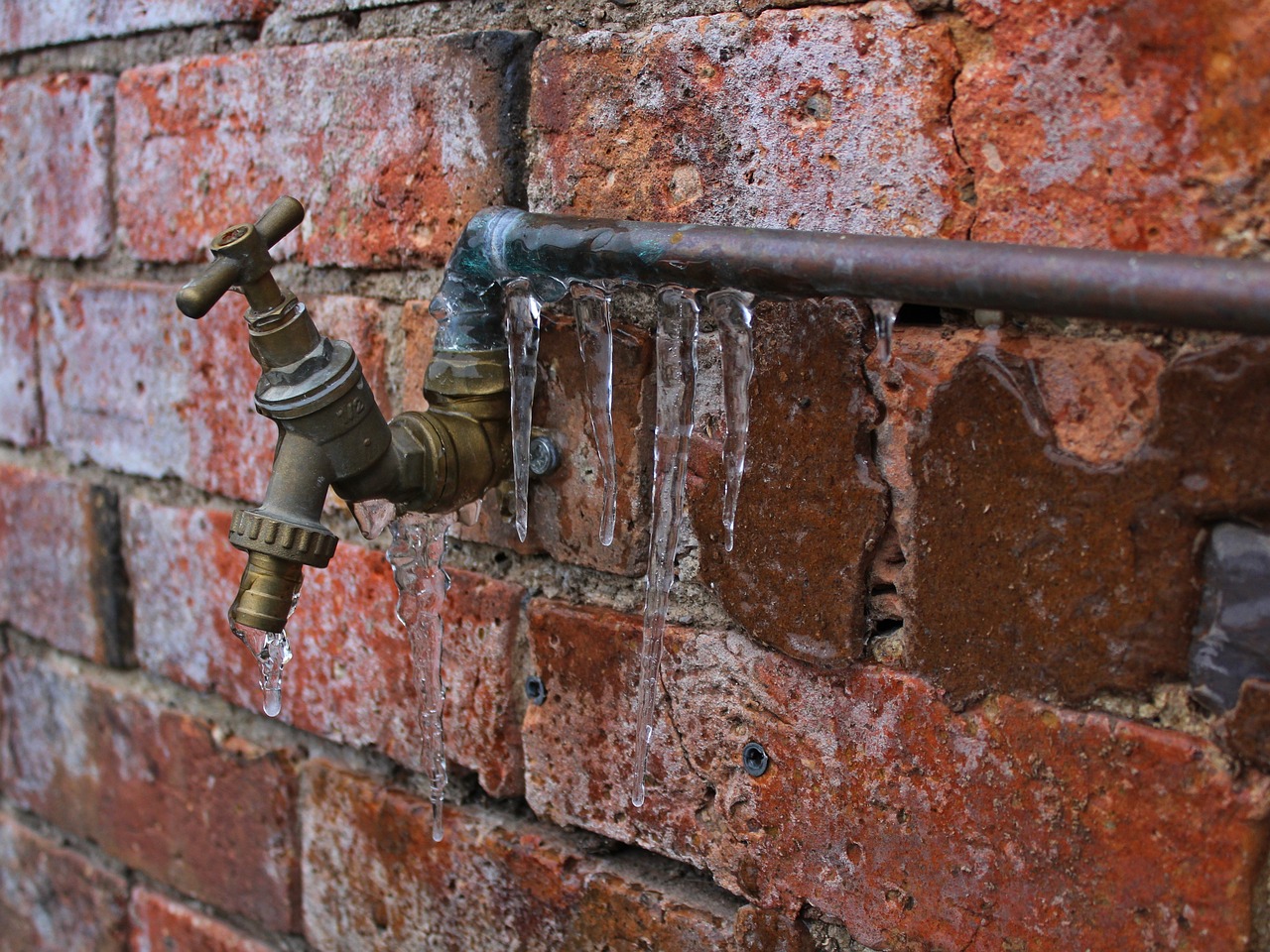
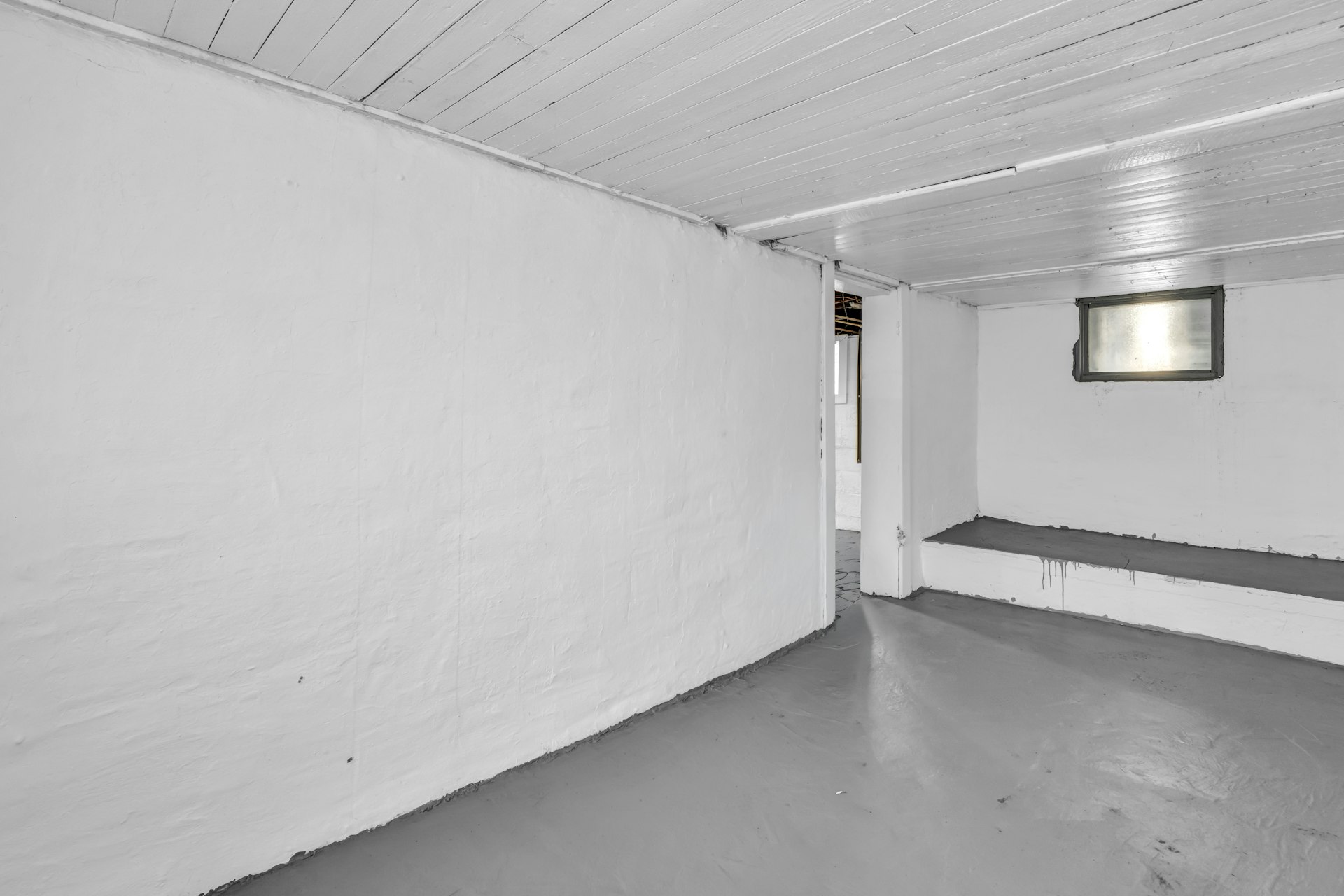
Stock photos of jobs like those Triangle crews take on.
FAQ
Close the main valve. In many North Raleigh homes it is in the crawl space near where the line enters, in a garage or utility room, or at the meter box near the street. For a water heater, close the cold inlet and turn off gas or power. Stay away from wet outlets, take photos and call.
Standing water from a plumbing leak should be addressed quickly, because it soaks insulation and subfloors and raises humidity in the whole house. Seasonal dampness is less urgent but still worth fixing.
If a tree falls on your house in a storm, most homeowners policies cover the damage to the house and the resulting water damage. Removal of the tree from the yard may be limited.
Usually three to five days for clean water. Crawl spaces and North Carolina humidity can make it longer.
Call a Triangle crew
One call reaches a restoration company that works across North Raleigh, from Wakefield and Falls River to North Ridge and the streets off Six Forks and Strickland. They explain the plan and pricing first.
(833) 829-0018Have your 5-digit ZIP code ready. A short prompt connects you to a local provider.